The gods
The Night CleanerThe gods occupy a divided position in the story: they are humanity’s intended protectors, yet they abandon their own demigod children when that protection demands a choice. Their selection of Draco and transfer of divine power to him turn that contradiction into a defining act. Seen through the recollection of a surviving demigod, the gods’ effort to secure humanity’s future is inseparable from the loss of their children and the collapse of their own power.
Identity and Divided Obligations
The gods’ relationship to humanity is expressed through the powers they bestow. People chosen to receive these abilities are gifted by the gods, but do not have divine blood running through their veins. The distinction matters: the gods can equip human protectors without making those people their literal descendants. Their concern for human survival is therefore enacted through selection and empowerment, while their own children belong to a separate, increasingly forsaken group.
The narrator’s account makes the contrast explicit. The gods care enough about humans to arrange for their protection even after the gods themselves perish, but their demigod children are left to die, killed by one another and by their parents. The story does not present divine care as universal tenderness. It shows a hierarchy of obligation in which humanity’s future receives deliberate protection while the gods’ own family is treated as expendable.
The Abandonment of the Demigods
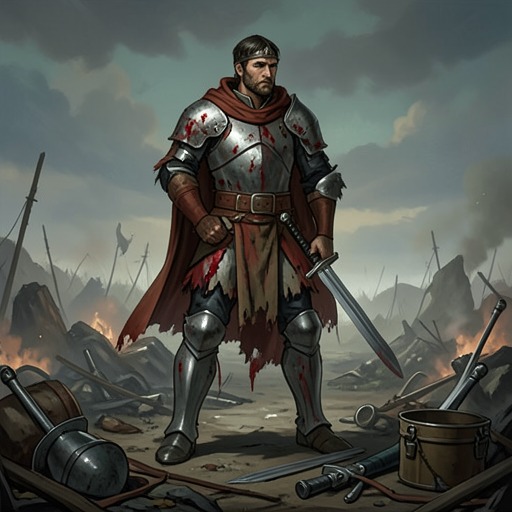
A surviving demigod recalls waking days after taking a toxin intended to make him appear dead. By then, every other demigod had been killed. This recollection establishes the scale of the loss and the narrow contingency of the narrator’s survival; it also clarifies why the gods’ later plan to protect humanity cannot be separated from the destruction that preceded it.
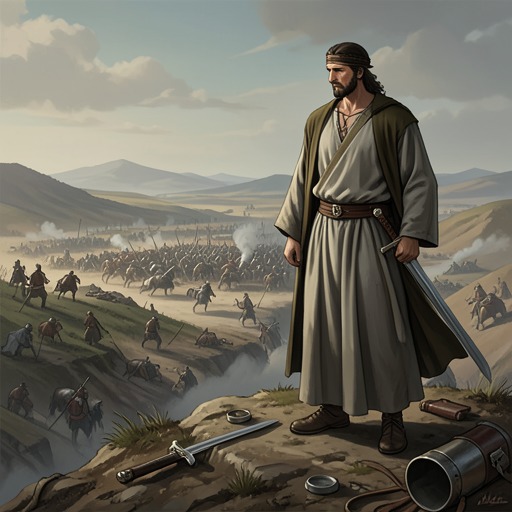
The narrator had once served humanity as a healer and used his powers in the work of Apollo, his father, hoping for his approval. That history sharpens the betrayal: the gods’ decision does not fall only on a hostile or indifferent child, but on one who had tried to help the people the gods wished to save. In the narrator’s understanding, even the good among the demigods were deemed expendable. The gods’ care for humans and their abandonment of their children thus operate side by side, without being reconciled.
Choosing Draco and Transferring Power
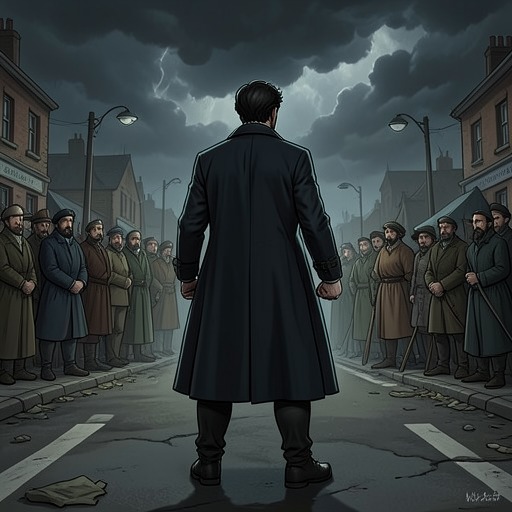
The narrator witnesses the gods choose Draco as their leader of heroes. In the fuller recollection, he has traveled for weeks and found work as a healer in Draco’s army, tending wounded soldiers without yet meeting their general. He then sees Apollo standing with the other gods beside Draco. Hiding behind a tree, he hopes his father will not sense that he is alive; Apollo does not look his way. The scene makes divine indifference personal as well as political: the father is present, but the surviving child remains unacknowledged.
The gods are already dying. The narrator connects their decline to humanity’s loss of belief after the killing of the demigods: people gave up faith in the gods, and the gods could not live without that belief. Against that failing power, they make what the story frames as one last attempt to save the humans they love more than their own blood. They tell Draco that he is their chosen protector and that divine powers will pass into mortal blood. His task is to train and lead the people who will need those powers.
The transfer is made through a deliberate ritual. Draco removes his armor and shirt, turns his back to the gods, and kneels. One by one, the gods cut their palms and touch his spine, burning their blood and power into him and marking him with the symbols of their divinity. When the last god has completed the act, the gods disappear. The narrator watches in shock, recognizing that the gods have made Draco immortal and charged him with protecting humanity after the demigods’ extermination.
Consequences and Narrative Significance
Draco’s elevation reverses the narrator’s place in the divine order. The gods choose him over their own children, and the surviving demigod is left as the exception rather than restored to the family or cause he once served. His anger and jealousy toward Draco grow from this unequal selection; when he seeks to destroy Draco, he discovers that Draco is immortal, though even demigods eventually die. The gods’ intervention therefore creates not just a protector but a lasting source of conflict between the chosen leader and the child left behind.
The gods’ disappearance follows their transfer of power, but the evidence does not describe what happens to them afterward. What is clear is the order of their final actions: humanity’s loss of faith coincides with their decline; they empower Draco to preserve human life; and this arrangement comes after the slaughter of their demigod children. Their protection of humanity is consequently both an act of care and a legacy built on abandonment. The gods’ decisive significance lies in that unresolved contrast: they prepare mortals to survive their absence while leaving their own surviving child outside the future they have chosen.